Health care professionals know that no two people are the same. Some may navigate a medical issue with very few side effects, while others confronting a similar situation may have a more difficult time.
When helping patients navigate a cancer diagnosis, health care professionals may note a range of side effects that are relatively common during treatment. Fatigue is one such side effect of cancer treatment that Cancer Research UK notes affects up to 90 percent of patients receiving chemotherapy, radiation, or immunotherapy. Though many people are aware that cancer treatment can lead to fatigue, the following are some lesser known side effects that could impact patients’ lives as they confront their disease.
Short-term Memory Issues
Cancer treatment can have a cognitive effect on patients, and that impact is common enough that it’s earned a nickname. The Memorial Sloan Kettering Cancer Center notes “chemo brain” is an informal term used to describe the mental fog many cancer patients experience during treatment. The National Cancer Institute notes chemo brain may be caused by the cancer itself or by treatments such as chemotherapy, radiation therapy, hormone therapy, and surgery. Some anti-cancer drugs also may contribute to chemo brain, which is characterized by difficulties thinking and remembering that can arise before, during, or after treatment.
Hormonal and Sexual Changes
MSKCC notes that hormonal therapies for breast cancer can contribute to hot flashes, decreased interest in sex, and even the onset of menopause. MSKCC notes the hot flashes and lack of desire to engage in sexual activity can even affect men, a consequence that is perhaps lesser known due to the discomfort men might have in discussing such issues. While MSKCC notes that women typically still have periods while receiving chemotherapy, those who do not may not have them again.
Falls
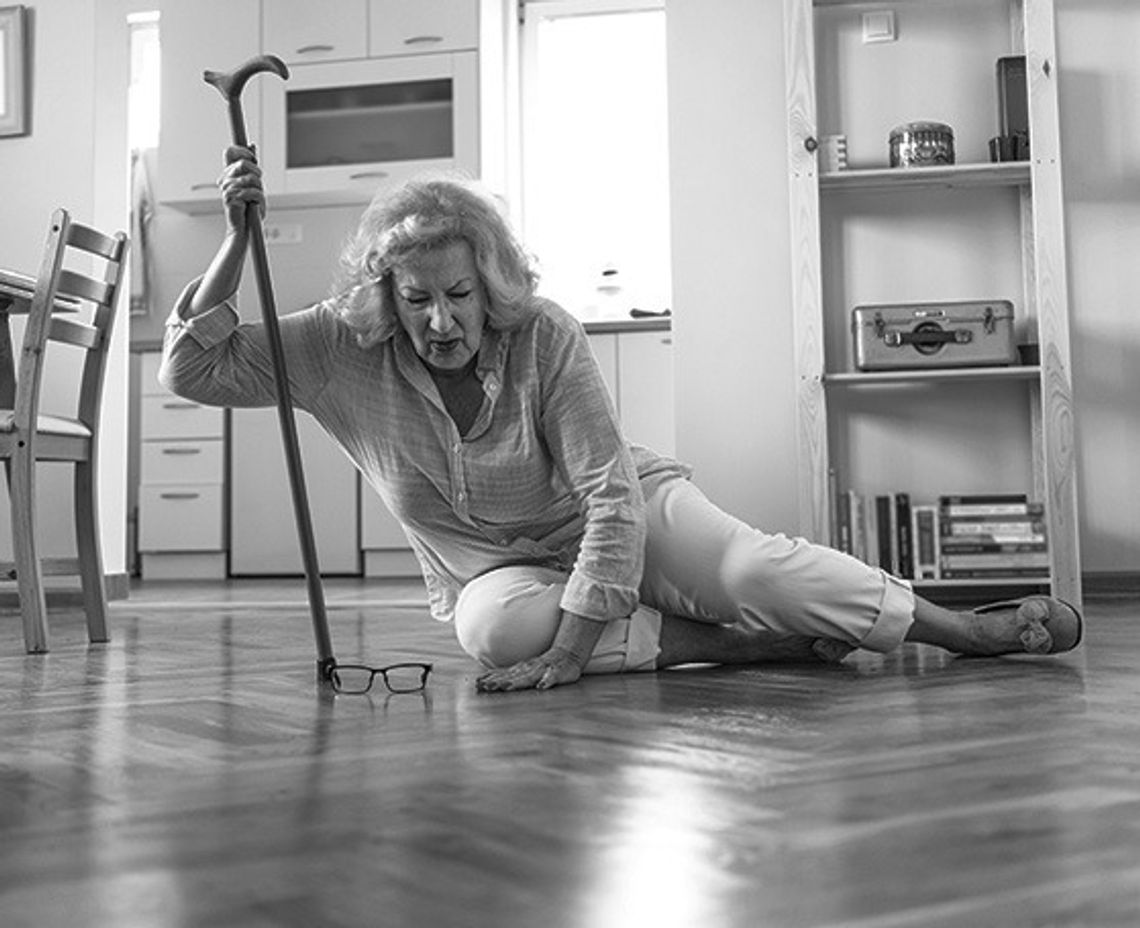
MSKCC notes chemotherapy can cause neuropathy, which is a loss of feeling or pain in the feet. The presence of neuropathy heightens the risk for falls. Additional cancer treatments also can adversely affect balance, which further increases the risk for falls. Falls should not be taken lightly, as the World Health Organization notes they are the second leading cause of unintentional injury deaths across the globe. Rising slowly from sitting positions while receiving treatment and taking a loved one along to treatment can help patients reduce their risk for falls, as can accepting a wheelchair when offered.
Cancer treatment produces a number of side effects, some of which are lesser known and may surprise patients and their families.