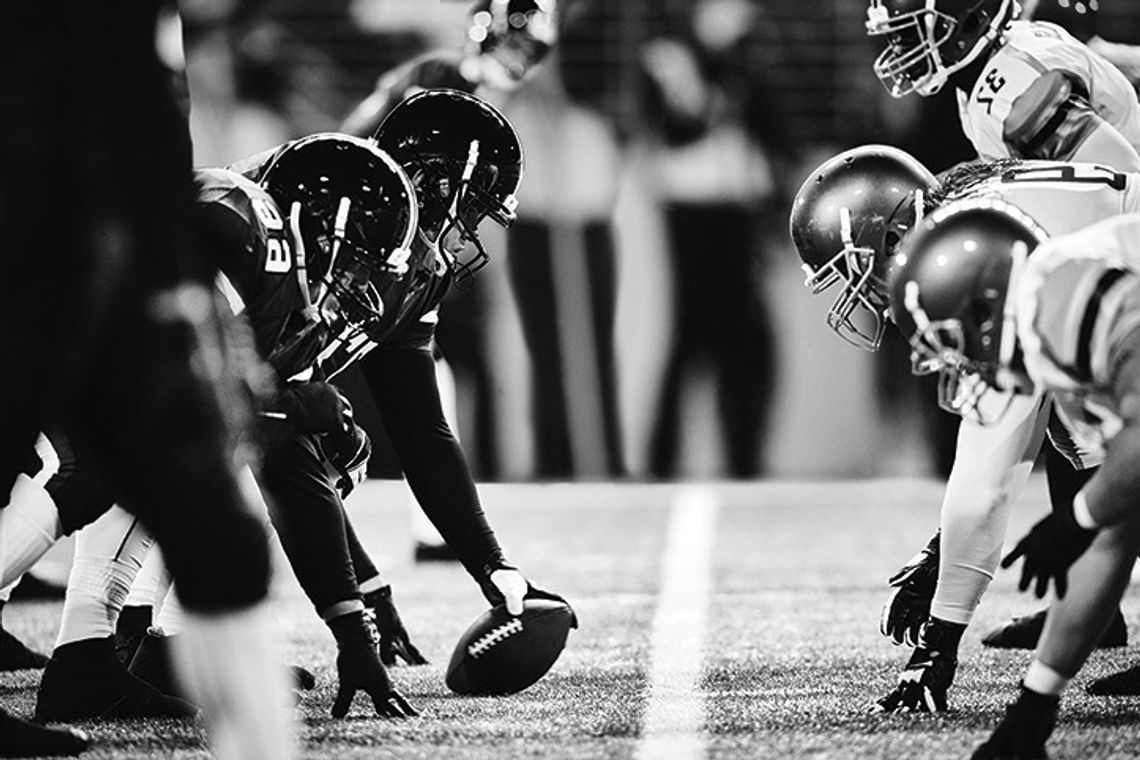
Football fans across the globe anxiously anticipate the return of college football and the National Football League. Both college and professional football draw tens of millions of viewers each week, and those viewers are likely familiar with advertisements for the various betting platforms and apps fans can look to as they seek to wager on all the action on the gridiron.
The Supreme Court of the United States declared the Professional and Amateur Sports Protection Act unconstitutional in 2018. Since that landmark decision, sports betting has been legalized throughout much of the country. Canada also has allowed single- game sports betting since 2021. While many people can bet on sports without becoming addicted, only time will tell if the number of sports fans with gambling addictions increases in the aftermath of the legalization of sports gambling. But a 2025 national survey from the U.S.-based National Council on Problem Gambling found that nearly 20 million American adults report experiencing at least one problematic gambling behavior “many times” in the past year. Gambling addiction can exact a financial toll, but it also can affect gamblers’ relationships, careers, and family life.
Learning to spot the warning signs of gambling addiction may compel people to seek help. The International Problem Gambling Center notes the following are some of the signs and symptoms of problem gambling.
• Gambling makes home life unhappy
• Experiencing feelings of remorse after gambling
• Preoccupation with gambling
• Borrowing money to gamble
• Gambling to escape worry or trouble
• Changes in sleeping and eating habits • Losing work time due to gambling. Problem gamblers also may miss work, and students may miss school, due to gambling.
• Gambling to obtain money to pay debts
• Considering or committing an illegal act to finance gambling
• Celebrating good fortune by gambling
• Thoughts of suicide There are additional pitfalls that individuals who gamble may want to avoid. For example, the 2025 NCPG survey found that 35 percent of individuals who gambled on three-plus activities weekly or more often met the threshold for concerns about high-risk gambling. In addition, roughly one in four fantasy sports bettors reported problematic behaviors when participating in the NCPG survey.
Age and gender also merit consideration. While just 2 percent of individuals 55 and older reported concerning gambling behavior, 15 percent of adults between the ages of 18 and 34 reported such behavior. And the rate of gambling- related problems was roughly twice as high among men as women.
As football season kicks off, sports fans concerned about their own or a loved one’s gambling are urged to seek assistance. Such individuals can seek help at gamblingproblems. org.