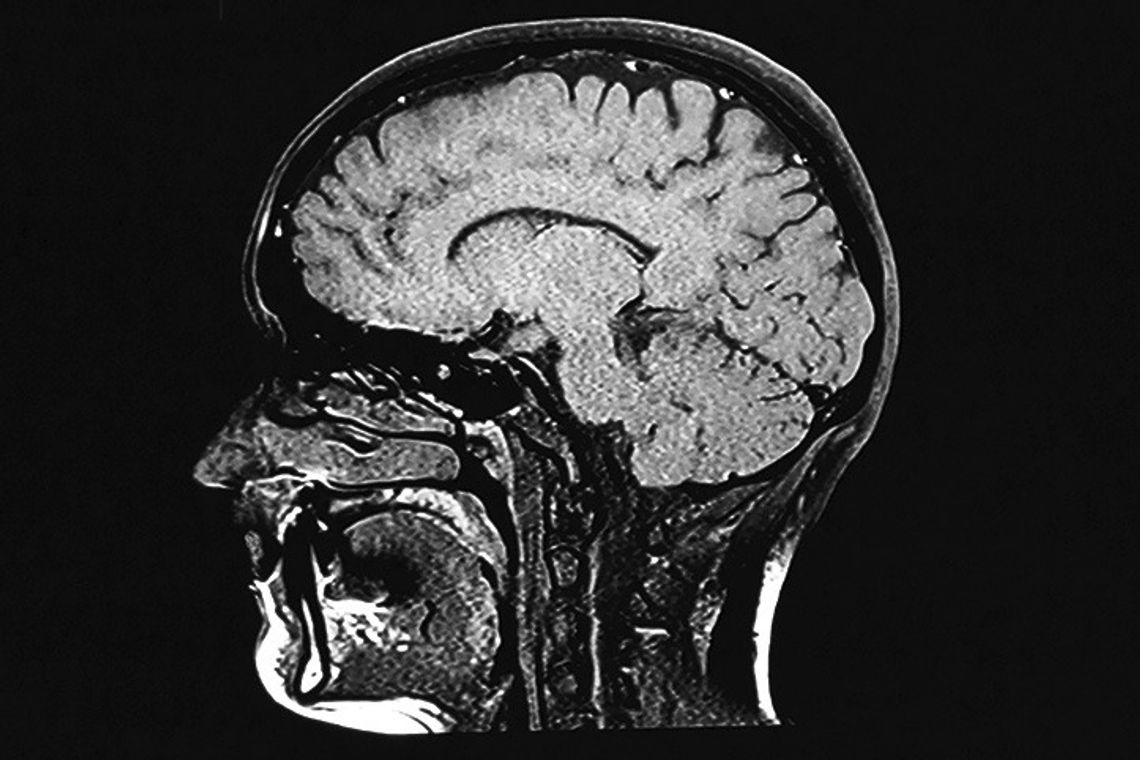
Mild traumatic brain injuries are more common than people may realize. While the prevalence of concussions among competitive athletes is widely recognized, one need not play a sport to suffer a mild traumatic brain injury.
The Centers for Disease Control and Prevention reports that anyone can experience a traumatic brain injury (TBI). A 2019 study published in the journal JAMA Insights noted that mild traumatic brain injuries (mTBIs) are the most common type of TBI. Despite their characterization as “mild,” mTBIs can produce physi c a l , cognitive and social or emotional symptoms. Recognition of the signs of mTBIs may compel people experiencing such injuries to seek medical attention that can make life more manageable until symptoms subside.
Physical
The physical symptoms of an mTBI can affect everything from balance to vision. The CDC notes that such symptoms include:
• Bothered by light or noise: The Optometrists Network reports that 40 percent of individuals who have suffered a brain injury are sensitive light.
• Dizziness or balance problems: The Model Systems Knowledge Translation Center indicates that issues with balance are common among people who have dealt with a TBI. A TBI can affect parts of the brain that control movement, which can make it hard for people to maintain their balance.
• Feeling tired, no energy: The Brain Injury Association of America reports that 98 percent of people who have experienced a TBI have some form of fatigue. In fact, the BIAA notes that many report fatigue is the most challenging symptom they experience after a TBI.
• Headaches: The MSKTC notes that headaches like migraines, tension headaches and cervicogenic headaches, which can start in the neck, shoulders and back of the head before traveling over the top of the head, are common after a TBI.
• Nausea or vomiting, particularly in the immediate aftermath of suffering the injury
• Vision problems: The Optometrists Network notes that blurred or double vision, difficulty with eye movements, focus issues, and struggles with tracking are some common vision problems associated with TBIs.
Cognitive
Some people experience cognitive issues after a TBI, and such problems may affect thinking and memory. The CDC notes that some of the cognitive issues associated with TBIs include:
• Attention or concentration problems
• Feeling slowed down
• Feeling foggy or groggy
• Problems with short- or long-term memory
• Trouble thinking clearly Social or emotional In the aftermath of a TBI, people may experience a range of social or emotional symptoms. The Brain Injury Association notes such issues occur because TBIs can cause damage to parts of the brain that control emotions. Others may develop these symptoms due to living with the impact of the TBI. After experiencing a TBI, people may develop these social or emotional symptoms:
• Anxiety or nervousness
• Irritability or easily angered
• Feeling more emotional
• Sadness The BIA notes anyone experiencing social or emotional symptoms after a TBI can work with a clinical neuropsychologist or clinical psychologist to assess their situation and work on coping strategies that can be vital to overcoming the symptoms.
TBIs affect people from all walks of life. Recognition of symptoms of TBIs can alert people when they need to seek professional medical attention.