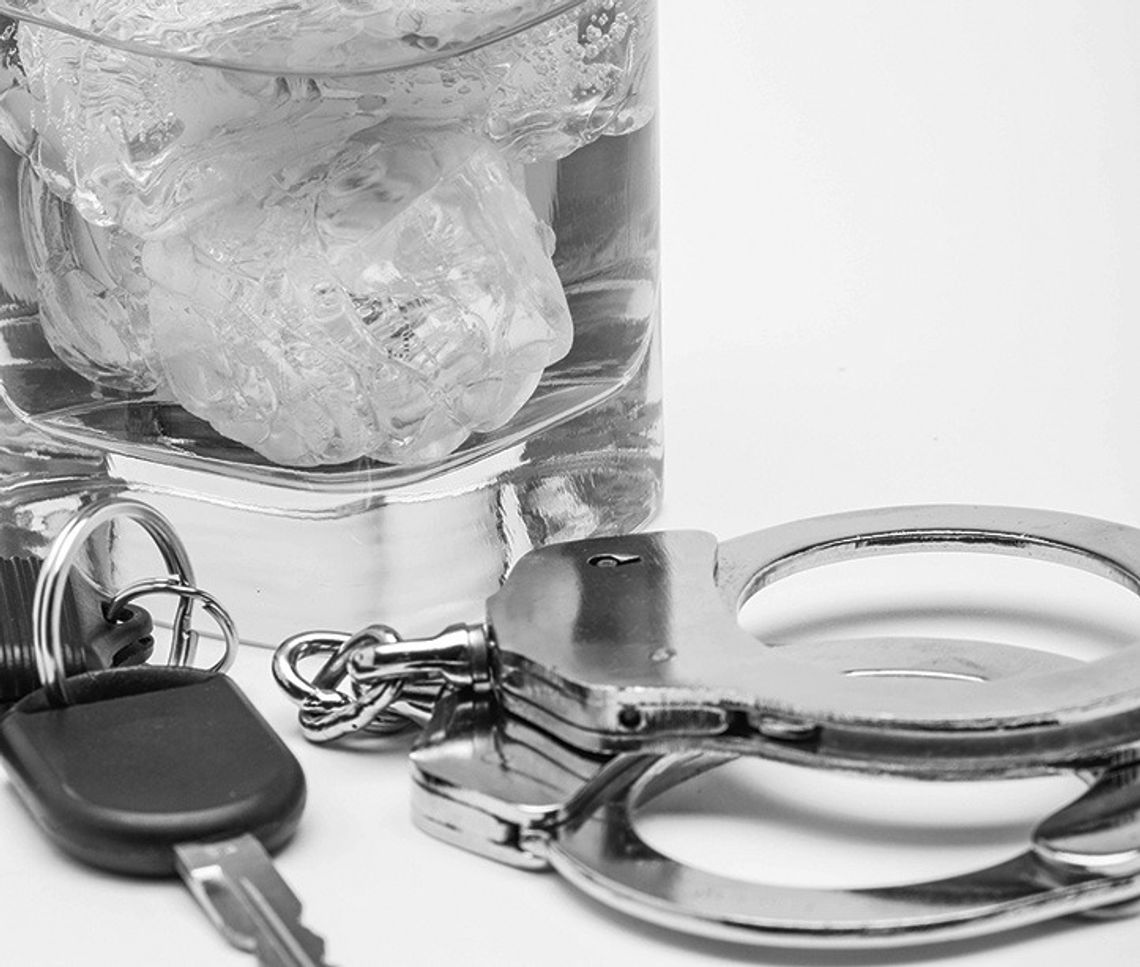
Roughly 34 people in the United States die in crashes related to drunk driving every day. That equates to one person every 42 minutes, says the National Highway Traffic Safety Administration. MAAD Canada indicates there are about nine charges per hour for alcohol or drug-impaired driving in Canada, with an average of 215 charges and short-term suspensions daily.
Although progress has been made regarding the prevention of impaired driving, drivers under the influence continue to present a serious public health issue, killing hundreds and injuring thousands a year. Considering recreational marijuana has joined alcohol as a legal substance in many areas, time will tell how impaired driving statistics may shift now that another substance that can make driving hazardous has been legalized.
Laws are in place to keep drivers, passengers and pedestrians safe from impaired drivers. But without a breathalyzer test, how can people know if a person is too impaired to drive? Or what if the substance causing the impairment is not alcohol? Learning more about impairment can prevent injuries and deaths.
What is BAC?
The amount of alcohol in a person’s body is measured by the weight of the alcohol in a certain volume of blood. This measurement is called the blood alcohol concentration, or BAC. Alcohol can be measured within 30 to 70 minutes after a person has had a drink, notes the NHTSA. Absorption will be slowed by food in the stomach and weight. In the United States (apart from Utah, which has a lower limit), the standard legal BAC limit for drivers is 0.08 percent. Canadian law also sets the limit at 0.08 percent.
Field sobriety tests
A range of drugs, both licit and illicit, can impair one’s ability to drive. The relationship between blood levels of drugs and driving impairment hasn’t been established for drugs other than alcohol, says the NHTSA. However, law enforcement may use Field Sobriety Tests (FSTs) to assess a driver’s physical and cognitive abilities. Such tests include the Horizontal Gaze Nystagmus test, which requires the subject to follow a moving object with their eyes while an officer looks for involuntary jerking; the Walk and Turn test, in which the subject walks nine heel-totoe steps, turns, and walks back the same way while counting; and the One-Leg Stand test. These tests help officers identify if a person is impaired.
Personal observation Individuals may determine if a person is too impaired to drive based on various factors. Physical symptoms can include signs of poor balance, stumbling or bumping into objects. Speech may be slurred, slow or at a volume different from normal. The person may complain of blurry or double vision. Cognitive symptoms also can indicate a person is too impaired to drive. Anyone making risky decisions or having trouble concentrating, focusing or remembering things likely is too impaired to drive.
Err on the side of caution It is always better to be overly cautious and avoid driving if someone has consumed alcohol or used a drug that can affect the ability to operate a motor vehicle. Medications affect everyone differently and are metabolized in different ways depending on the person, which is why many medical procedures that involve sedation require the patient to get a ride home. When in doubt, it’s best for a person to grab a rideshare or taxi or have a trusted friend or family member drive them where they need to go.
Driving while under the influence of alcohol or another substance risks one’s life and the lives of others. It’s important to recognize when a person might be unfit to drive and take action to prevent a dangerous situation.